

Common examples of moisture damage include:
Mold and Mildew Growth
Corrosion of Metals
Rot and Decay in Wood
Electronic Damage
Food Spoilage
Paper Deterioration
Degradation of Textiles
Damage to Pharmaceuticals and Food Products
Electronic Equipment Malfunctions
Packaging Damage
Delamination
Preventing moisture damage involves employing strategies such as proper storage conditions, effective packaging, moisture control measures, and maintaining suitable environmental conditions. The specific measures taken depend on the type of materials or products involved and the potential impact of moisture on their quality and functionality.
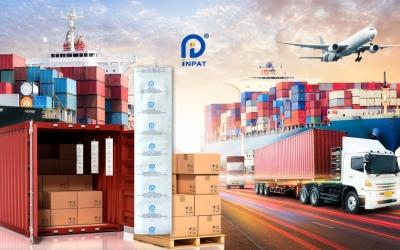
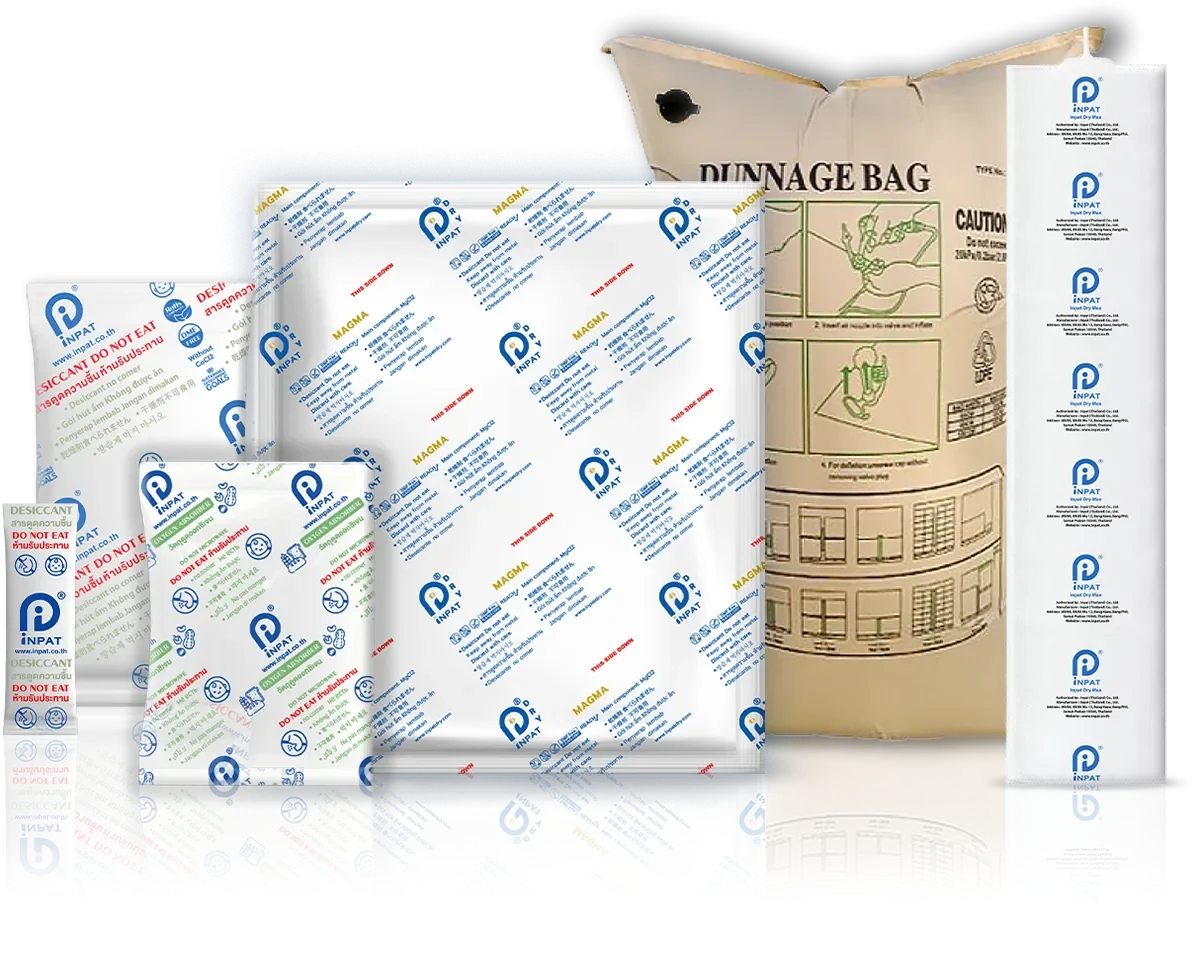
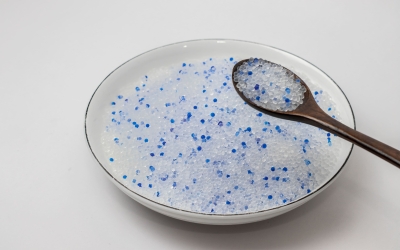
Container desiccant is a type of shipping material thats used to prevent humidity and water damage to cargo.
View All
The impact of climate change on relative moisture involves complex interactions within the Earth's atmosphere and ecosystems.
View All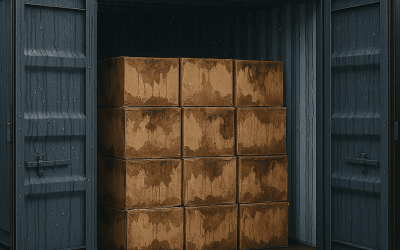
Container rain, also known as container sweating or container condensation, refers to the accumulation of moisture inside shipping containers. This phenomenon occurs when there is a temperature difference between the inside and outside of the container. Here’s how it typically happens
View All
There are several factors behind moisture damage. Unfortunately, it’s common to either do too little, too much or to take the wrong action in order to prevent it. The reason, we’ve found, is often lack of problem awareness
View All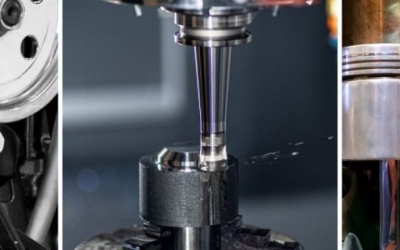
Moisture prevention is often crucial for the shipment of machinery products. Machinery, equipment, and mechanical components can be highly sensitive to moisture, and exposure to high humidity levels can lead to various issues that may impact functionality, performance, and overall product quality. Here are some reasons why moisture prevention is important for machinery products during shipment:
View All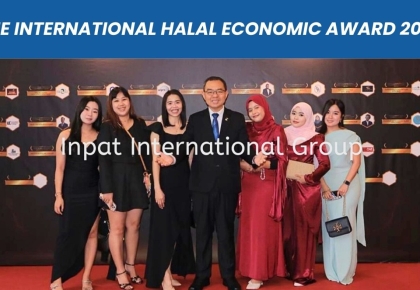
Inpat (Malaysia) Sdn Bhd is honoured to be recognised at the International Halal Economic Award (IHEA) 2026, a prestigious platform that celebrates excellence, leadership, and sustainability within the global halal industry.




 Facebook : Inpat (Vietnam) Co.,Ltd.
  Zalo: 0906752885
  whatsapp : Inpat(Vietnam)
  Shopee: inpat_vietnam
